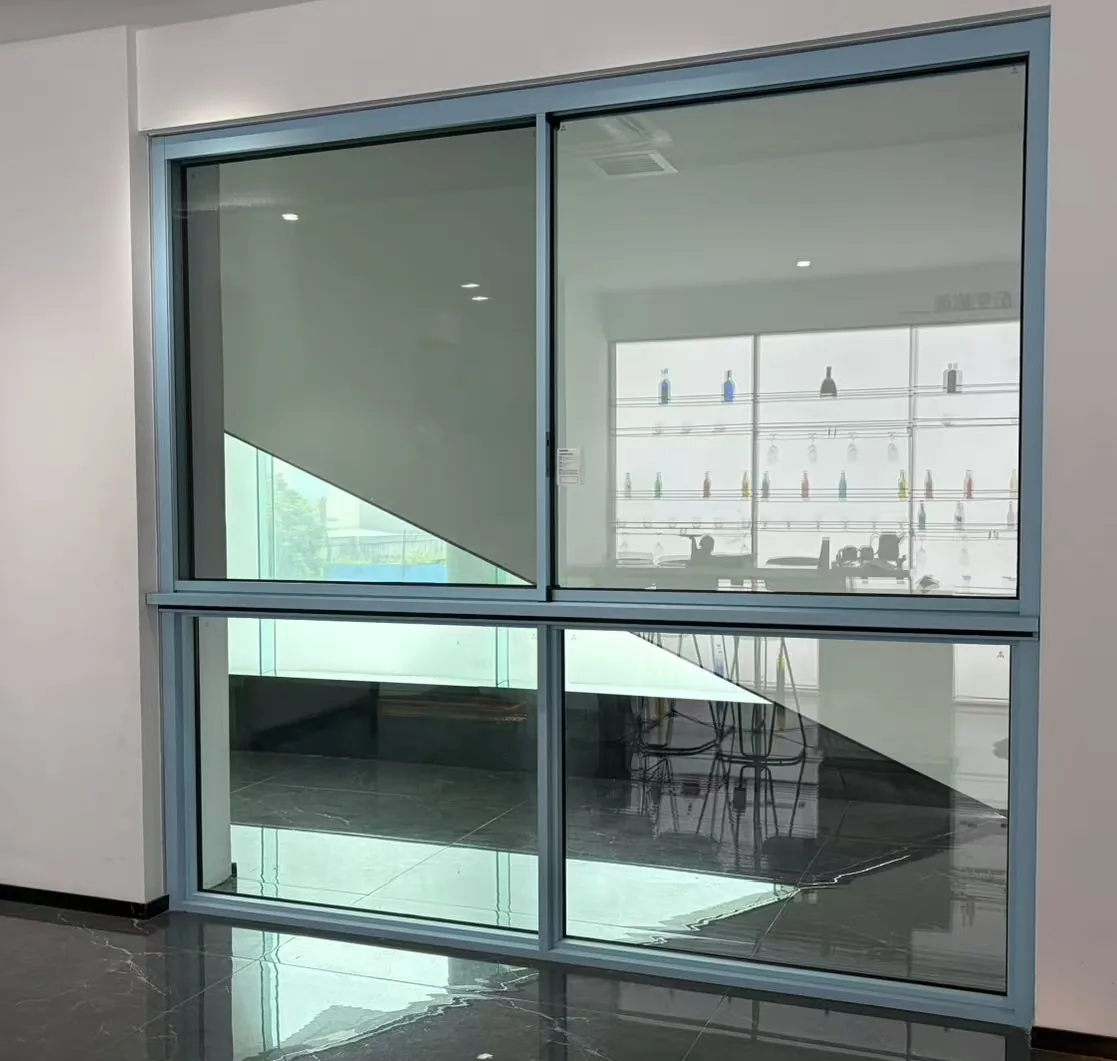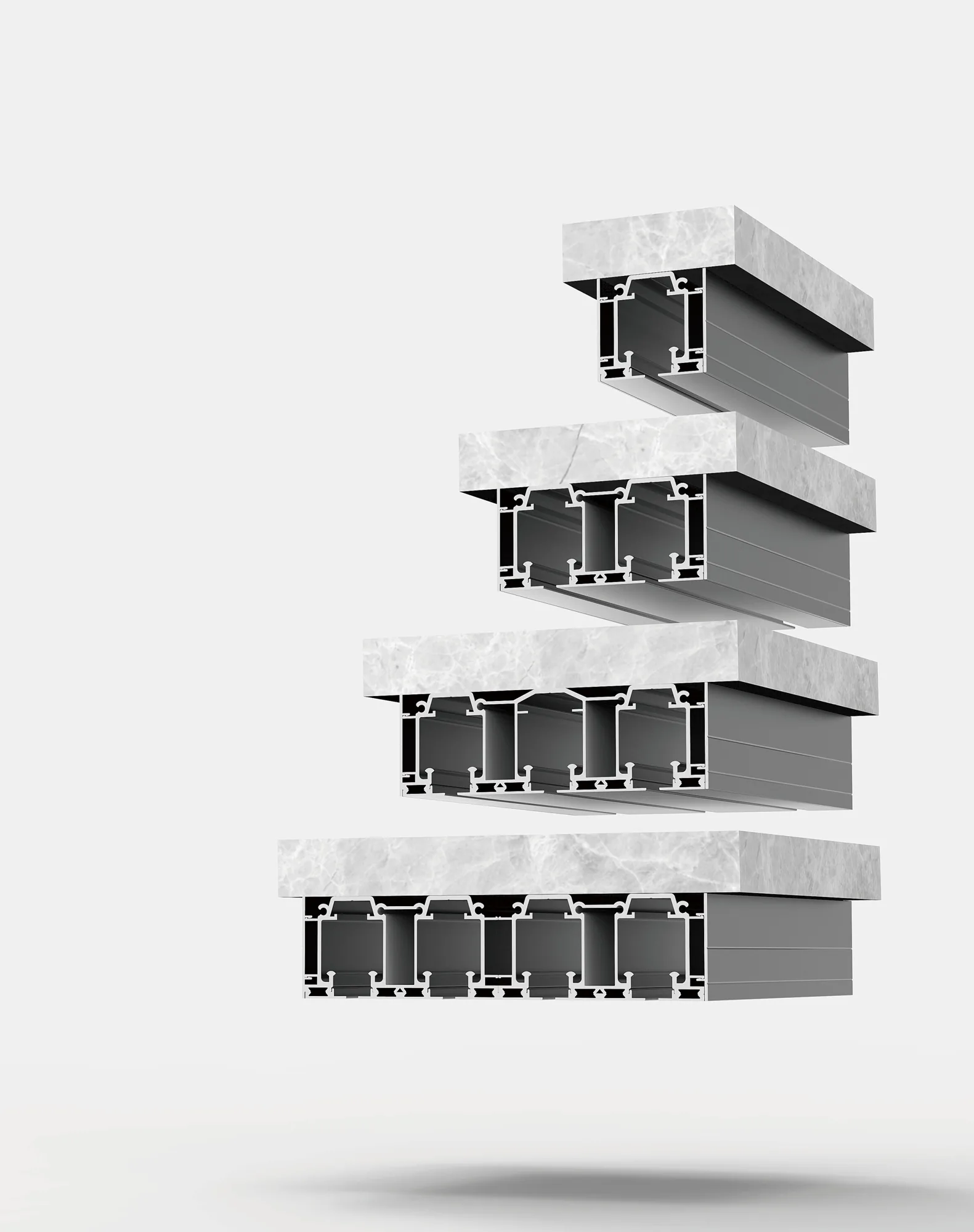

A complete aluminum window brings together profiles, glazing, seals, connectors and installation components. An opening window also needs hardware that allows the sash to move, close and lock. Each part has a specific job, and the quality of their fit influences how the finished window works.
For international buyers, understanding these components helps clarify exactly what a quotation includes. A profile package, a fabrication kit and a finished glazed window are different products, even when they share the same series name.
The frame and sash
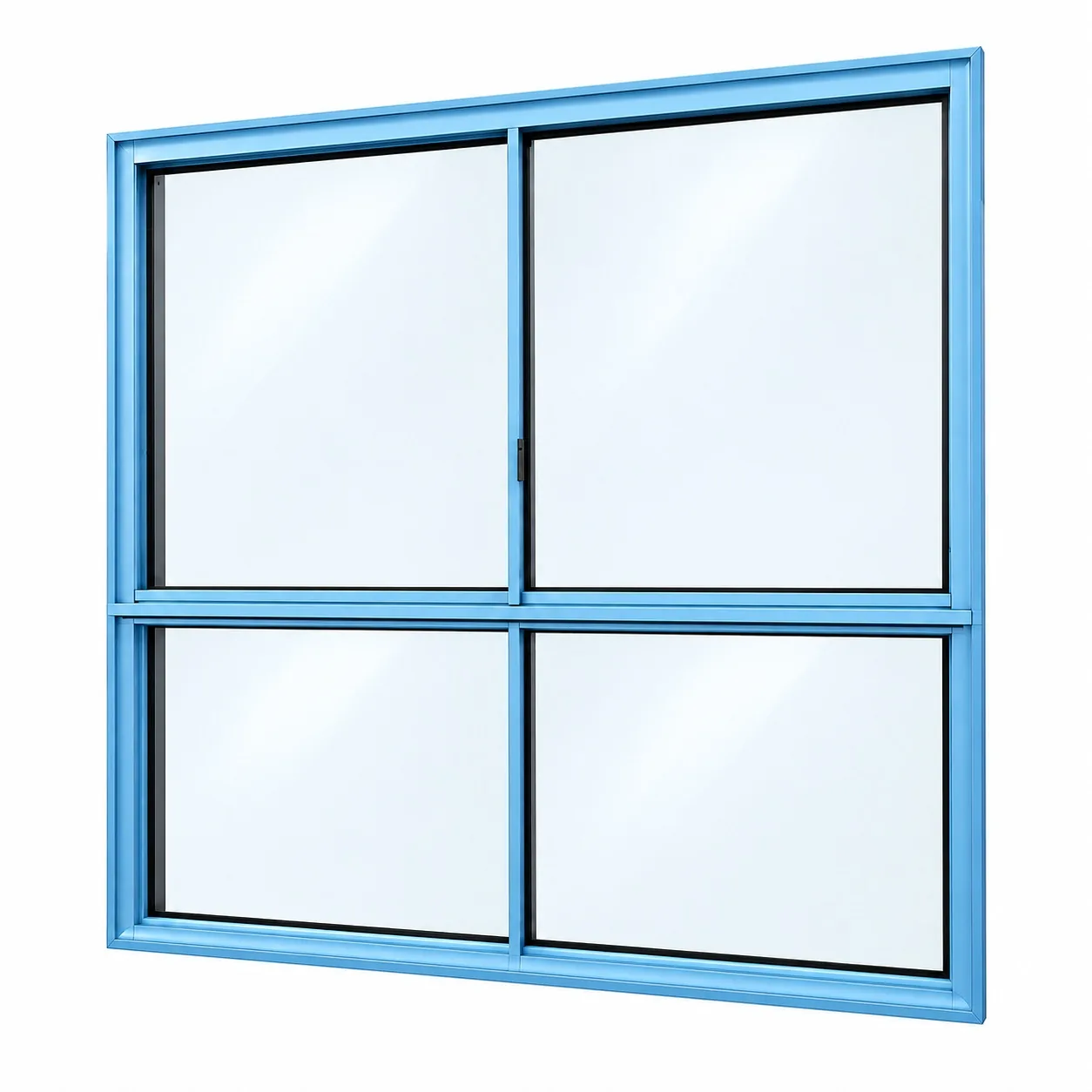
The outer frame establishes the perimeter of the assembly. It must be suitable for the opening dimensions and the installation detail. Depending on the layout, mullions and transoms divide the window into fixed and opening sections.
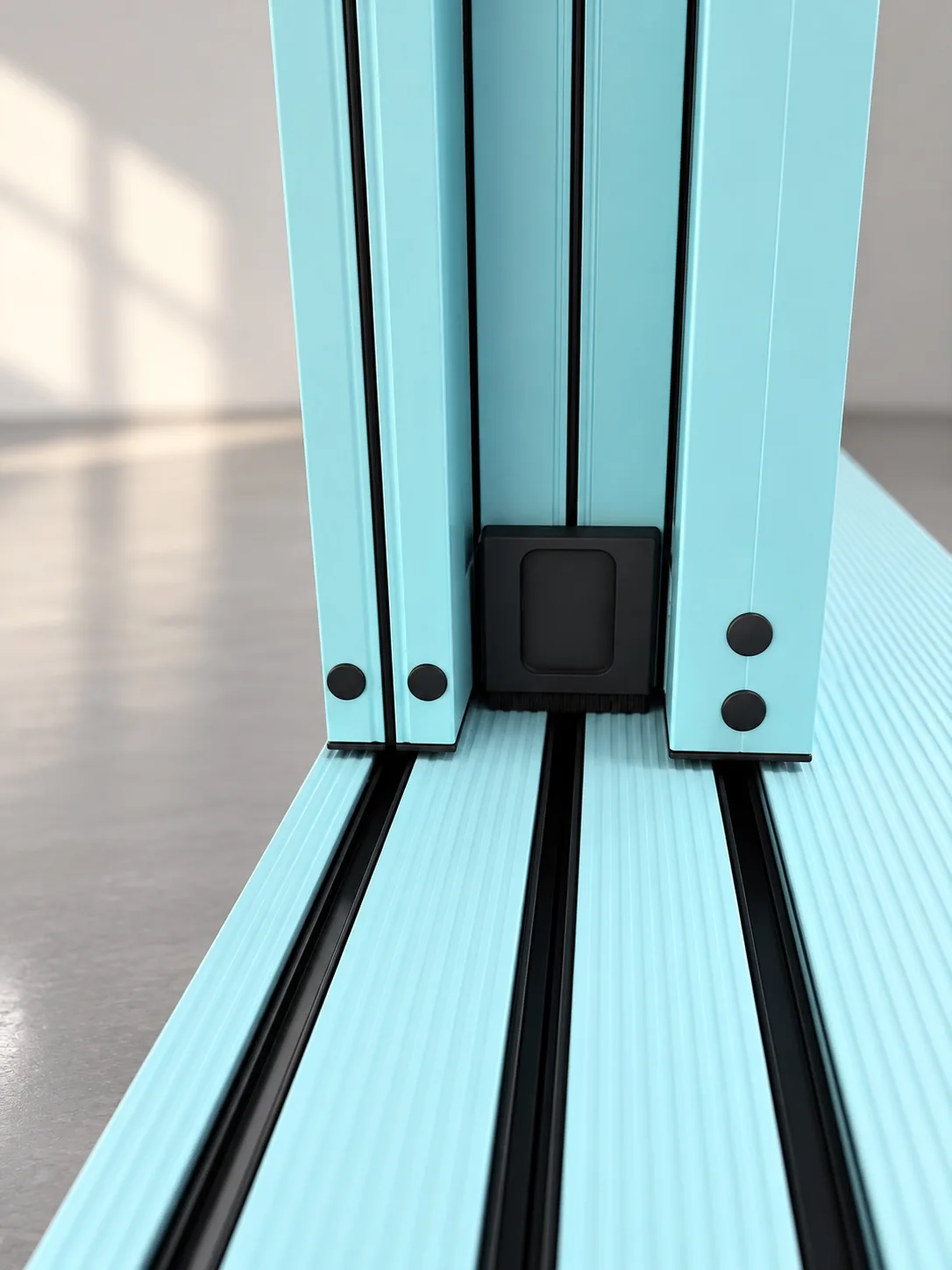
An operable sash holds the glass and carries the components needed for movement and locking. In a casement window, it works with hinges or stays. In a sliding window, it moves along a track using the specified roller or guide arrangement. Fixed glazing can sit directly in a suitable frame system without an opening sash.
The glazing assembly
Glass provides the view and admits daylight, but the glazing specification also affects weight, thermal behavior and other project requirements. The buyer should identify the required glass build-up instead of simply asking for “double glass.”
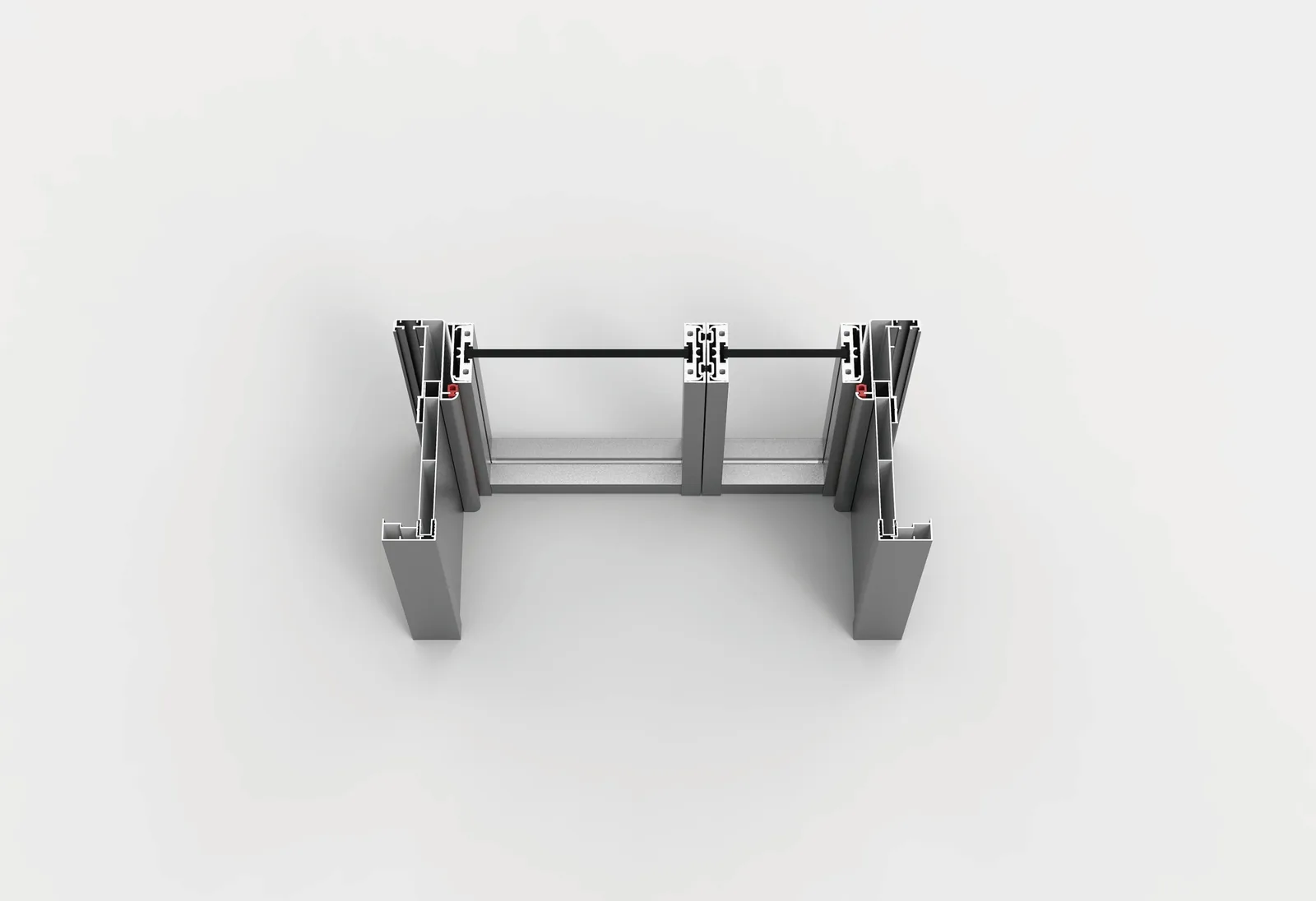
See how the components connect
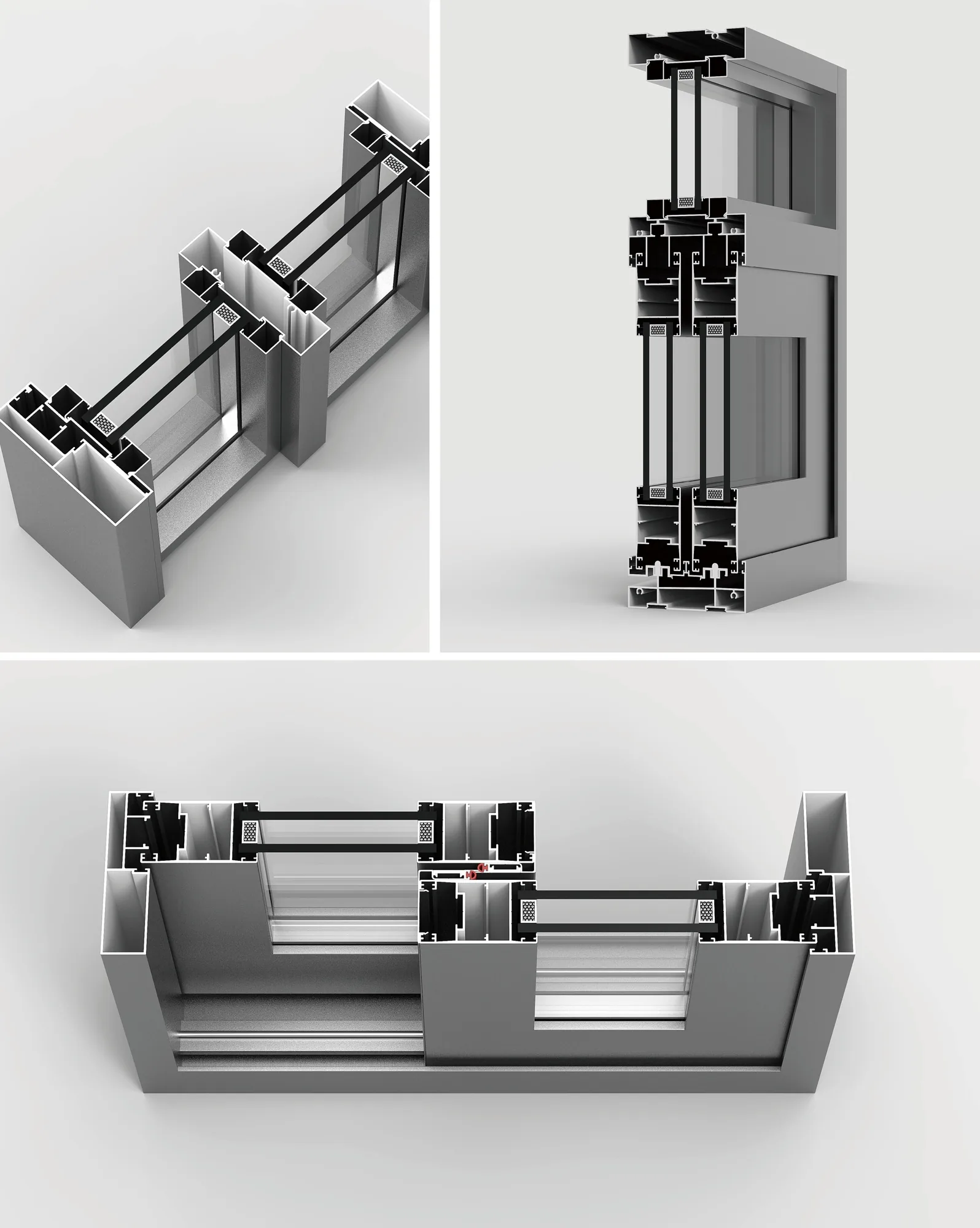
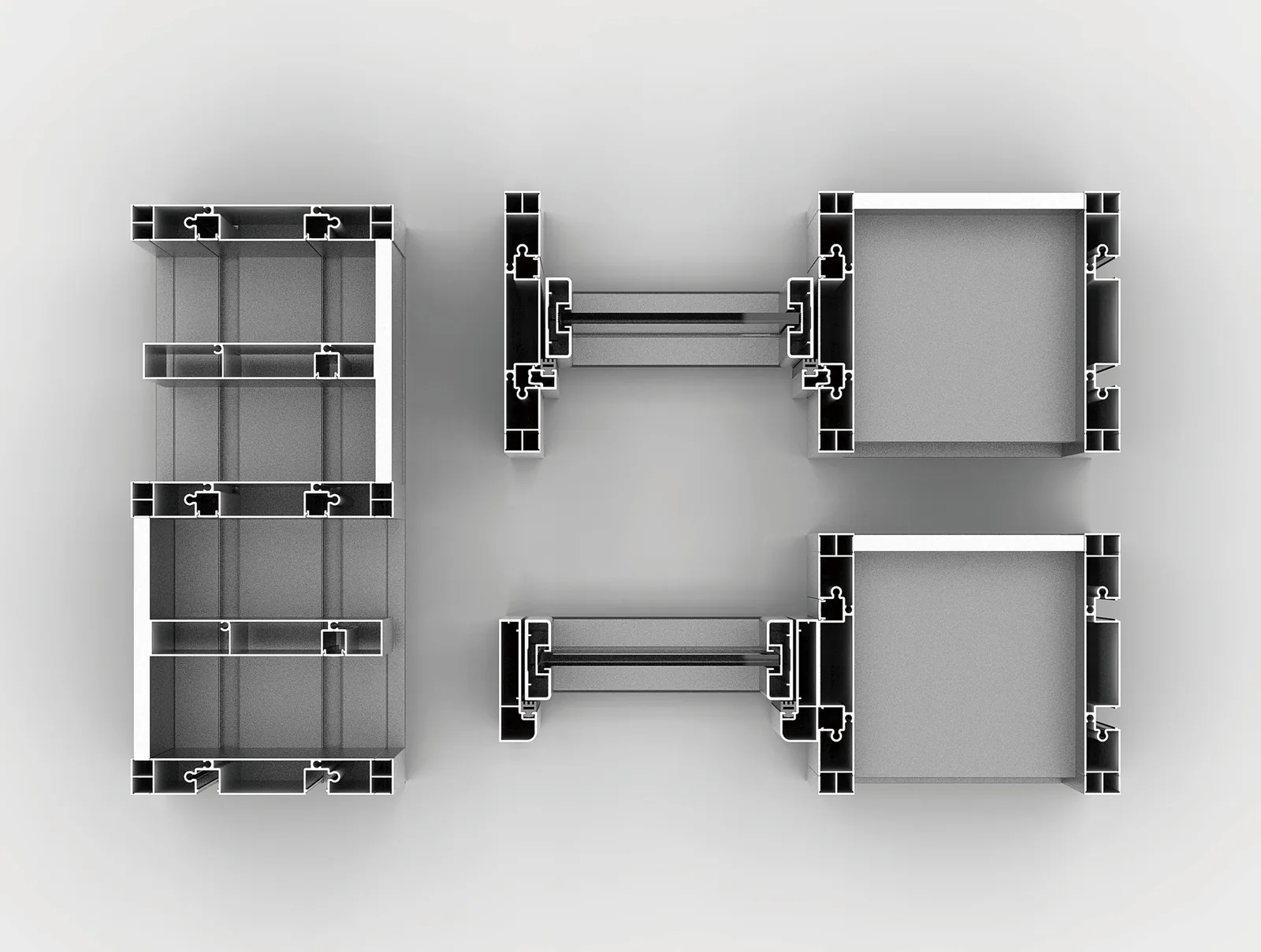
An insulating glass unit uses two or more panes separated by a sealed cavity. The specification can include pane thicknesses, cavity width, coatings, glass treatment and other details. Those choices must fit the selected frame, glazing beads, seals and hardware capacity.
For a project quotation, ask for the complete glass specification in writing. If the intended use requires a particular safety or acoustic performance, identify that requirement separately; it should not be inferred from the number of panes.
Glazing beads, gaskets and setting blocks
Glazing beads help retain the glass in the frame or sash. They work with the specified gaskets or sealant system and must suit the glass thickness.
Setting blocks support the glass at defined locations and help transfer its weight into the framing. Glazing gaskets seal the interfaces around the glass. Other weather seals act between the opening sash and outer frame.
These smaller parts deserve attention during sourcing. An incorrect gasket section or unsuitable bead can prevent the assembly from fitting properly, even when the main aluminum profiles are correct.
Operating and locking hardware
Handles are the most visible hardware, but hinges, stays, rollers, locking points and keeps do much of the work. The hardware set must match the window’s opening mode, dimensions and sash weight.
For example, changing to a heavier glass build-up may require a review of the supporting hardware. Adding a different handle does not automatically create a different opening function. Ask for the complete hardware arrangement and confirm how replacement parts will be identified later.
Coordinate the details and the order
Thermal breaks, joints and drainage
Thermally broken aluminum systems incorporate insulating connectors between interior and exterior aluminum sections. Corner cleats, screws or other specified connectors join the frame members. Sealing details at these joints are part of the system design.
Drainage channels and outlets manage water within designated areas of the assembly. Their position and machining must follow the selected system instructions. An insect screen is an optional addition for many windows; its presence should not be assumed to provide fall protection.
Installation completes the assembly
The interface between the window and the wall also needs a defined design. Fixings, packers, perimeter seals and flashing or waterproofing details connect the supplied window to the building. Clarify which of these are included and which are the installer’s responsibility.
Why source the components together with MTFlying?
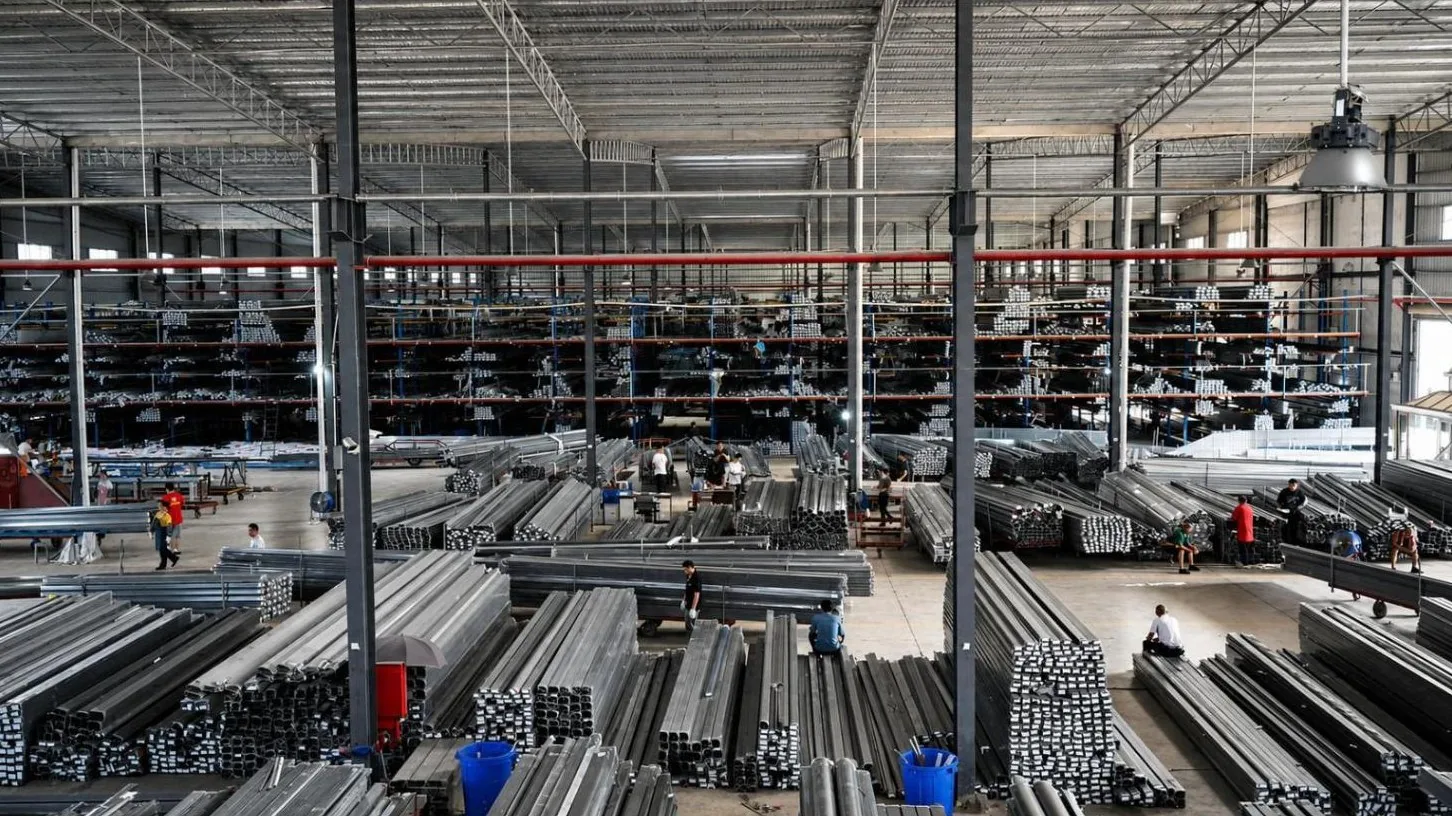
MTFlying’s company profile describes a coordinated supply package covering profiles, hardware, seals, hinges, screws and corner pieces in the quantities agreed for each order. Buyers can source extrusions alone, component packages or finished windows and doors. This is particularly relevant when a fabricator wants to coordinate smaller accessories with the main profile purchase. Its window catalog shows how several of these parts relate to the assembly sections.
When contacting MTFlying, request an itemized bill of materials for your chosen configuration. Ask the quotation to identify profiles, accessories, hardware, glazing and fabrication responsibilities separately. A clear supply scope helps your purchasing and production teams work from the same specification.
The smaller parts matter
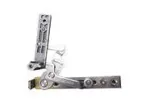
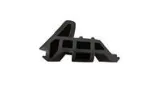
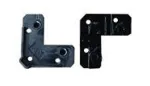
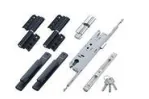
A complete window depends on more than its main frame. Corner connections hold the assembly together, weather seals close the intended interfaces, and operating hardware controls movement. The components shown here come from the MTFlying window catalog. Part selection must follow the chosen profile system and opening function.
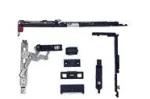
Check the interfaces before fabrication
At the glass, frame, track and wall interfaces, small differences can affect fit and installation. Use a coordinated assembly drawing to check clearances, glazing supports and adjoining construction. MTFlying can be approached for the relevant system drawings and supply list; the final details should match your actual opening and installation method.
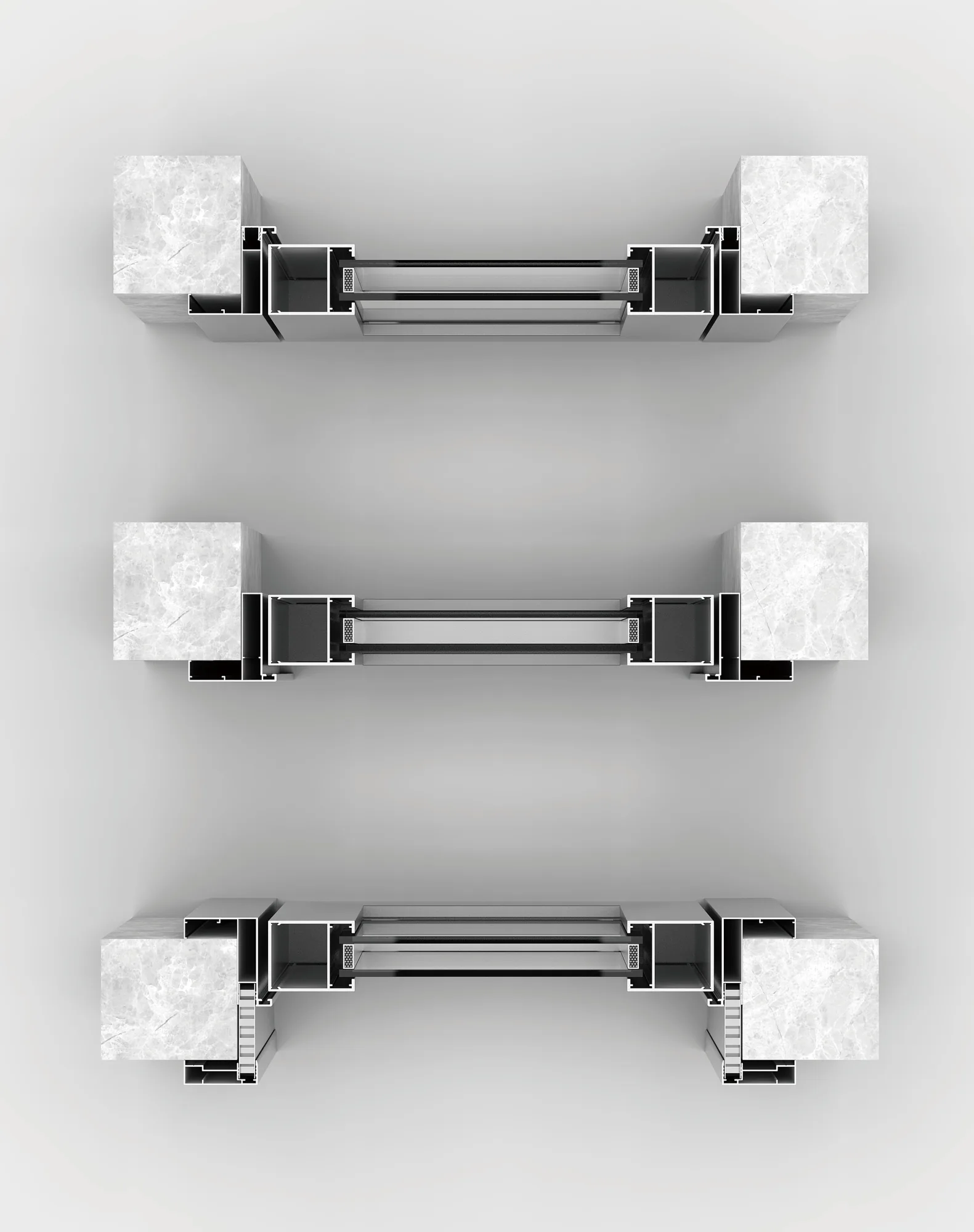
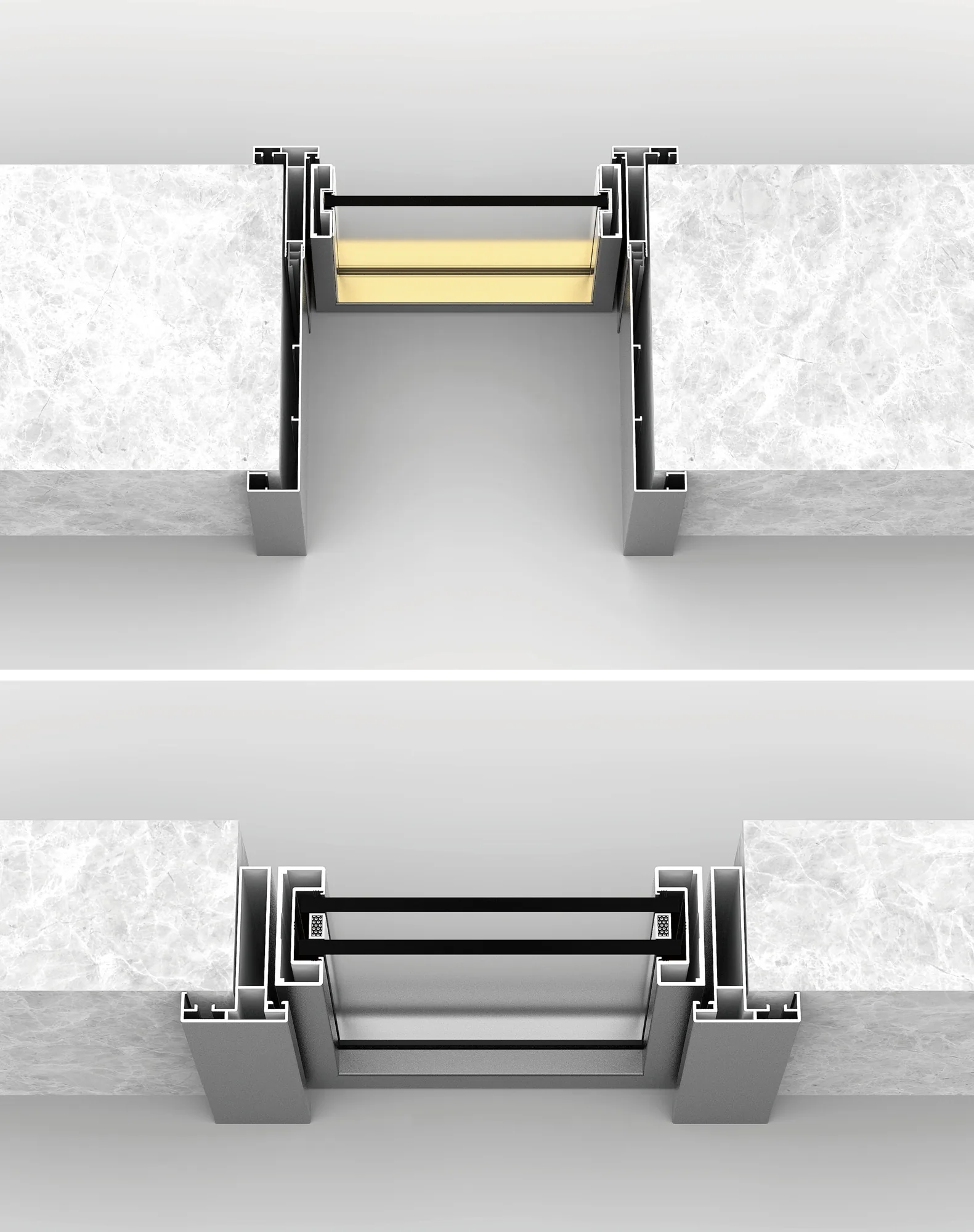
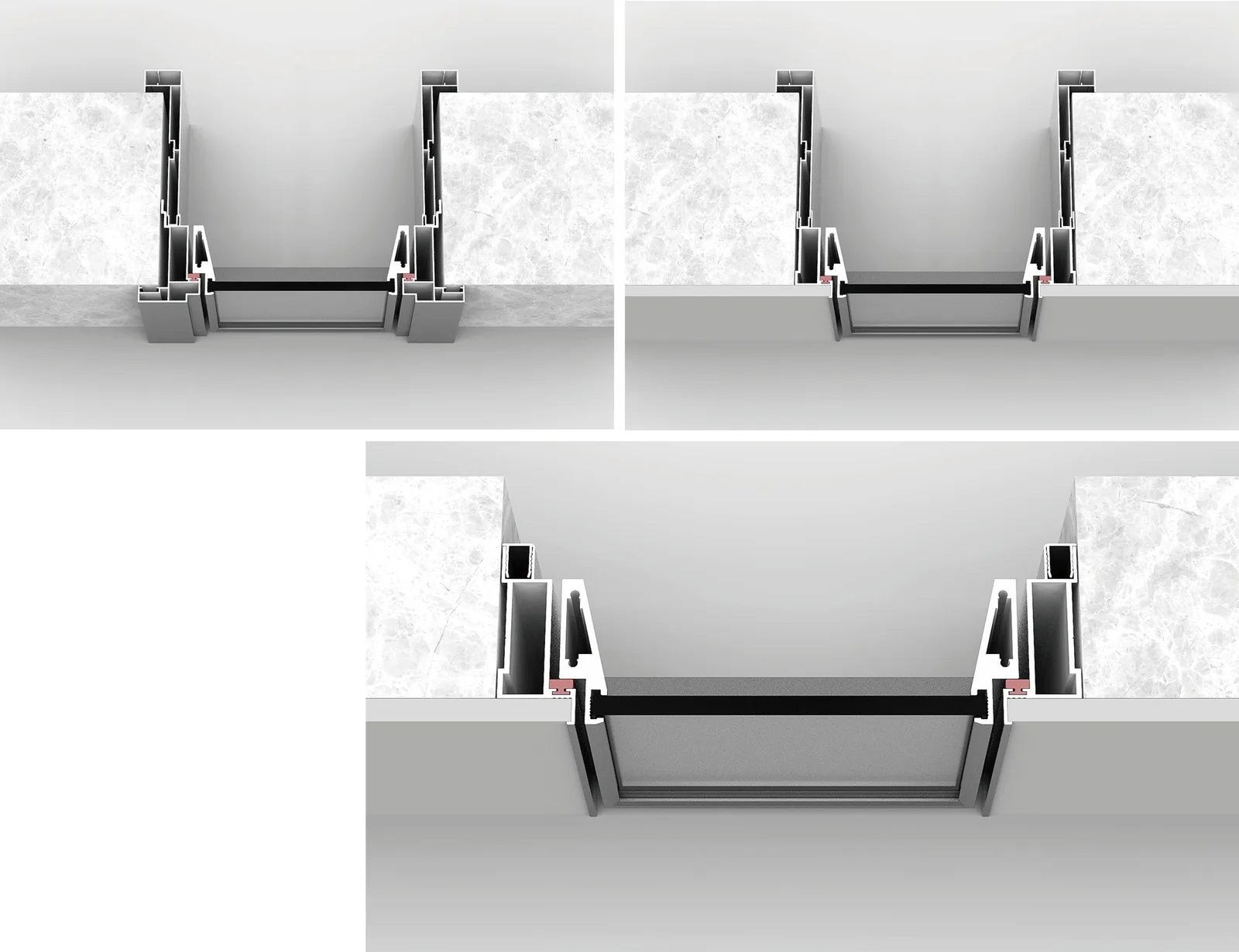
Discuss your next project with MTFlying
www.mtflying.com
michael@mtflying.com +86 153 0285 6248
Ma’angang Industrial Zone, Shishan Town, Nanhai District, Foshan City, Guangdong Province, China 528000
Send the window schedule, drawings, quantity, destination, finish and glass requirements. Ask for an itemized proposal covering profiles, matching components, fabrication scope and the available performance documentation.