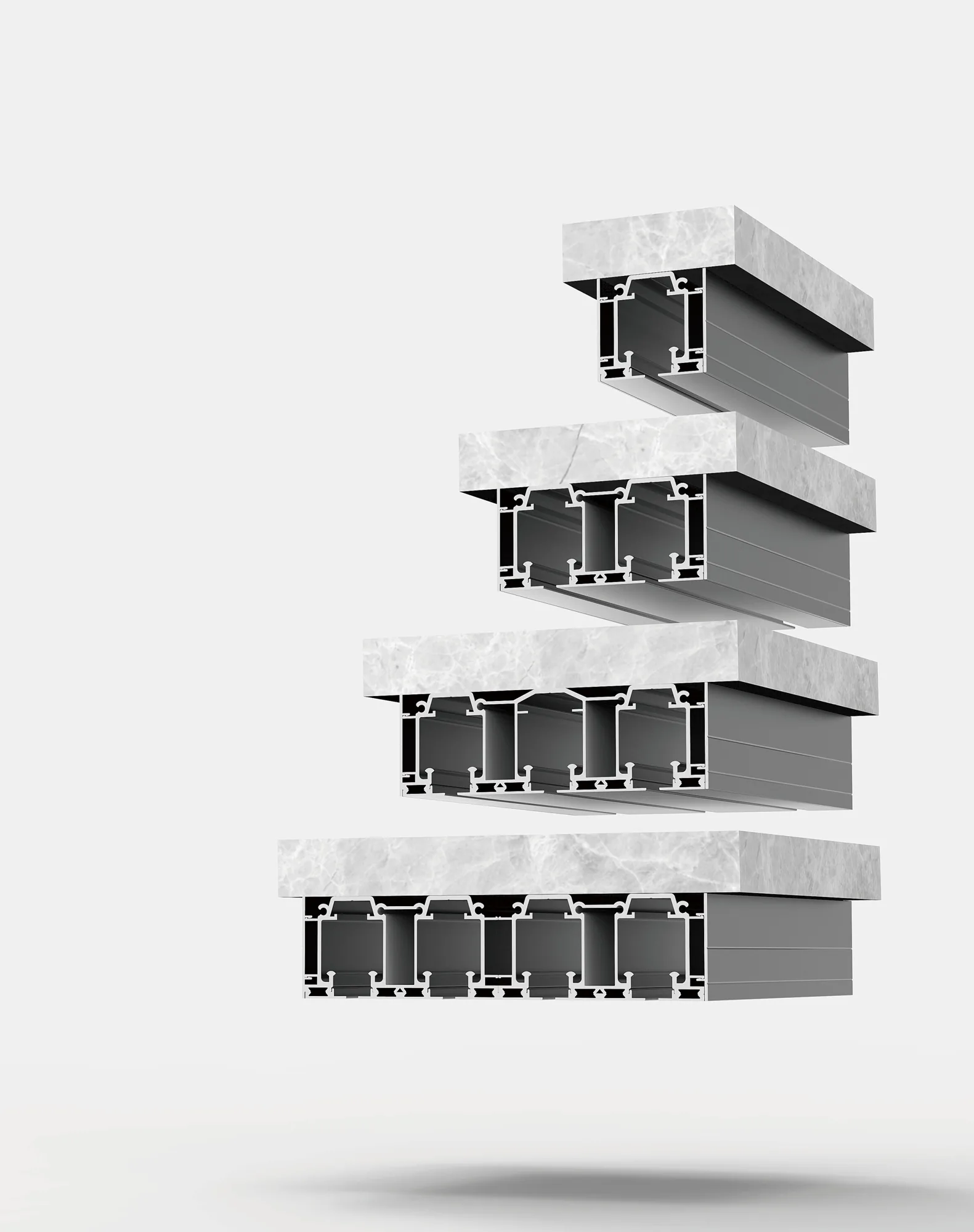
In manufacturing, a profile is a length of material with a defined cross-sectional shape. Imagine cutting straight across an aluminum window frame and looking at the cut end. The outline, hollow spaces and small grooves you see form its cross section. That geometry helps determine how the component fits, connects and performs in an assembly.
Profiles can be made from different materials. In the aluminum window and door industry, the word usually refers to extruded aluminum sections used to build frames, sashes, tracks and related components. Understanding these sections makes it easier to compare quotations and discuss your requirements with a supplier such as MTFlying.
How aluminum profiles are made
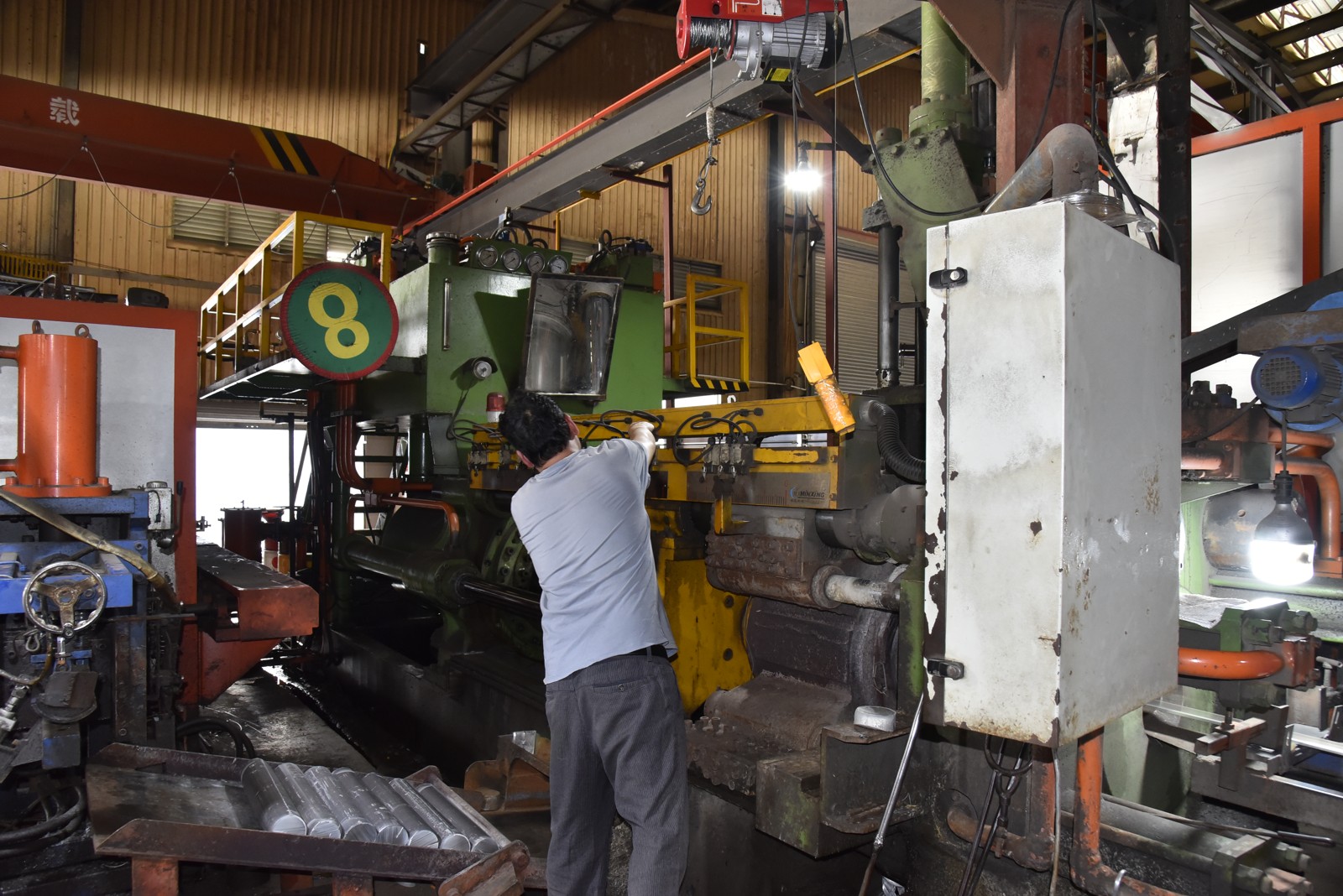
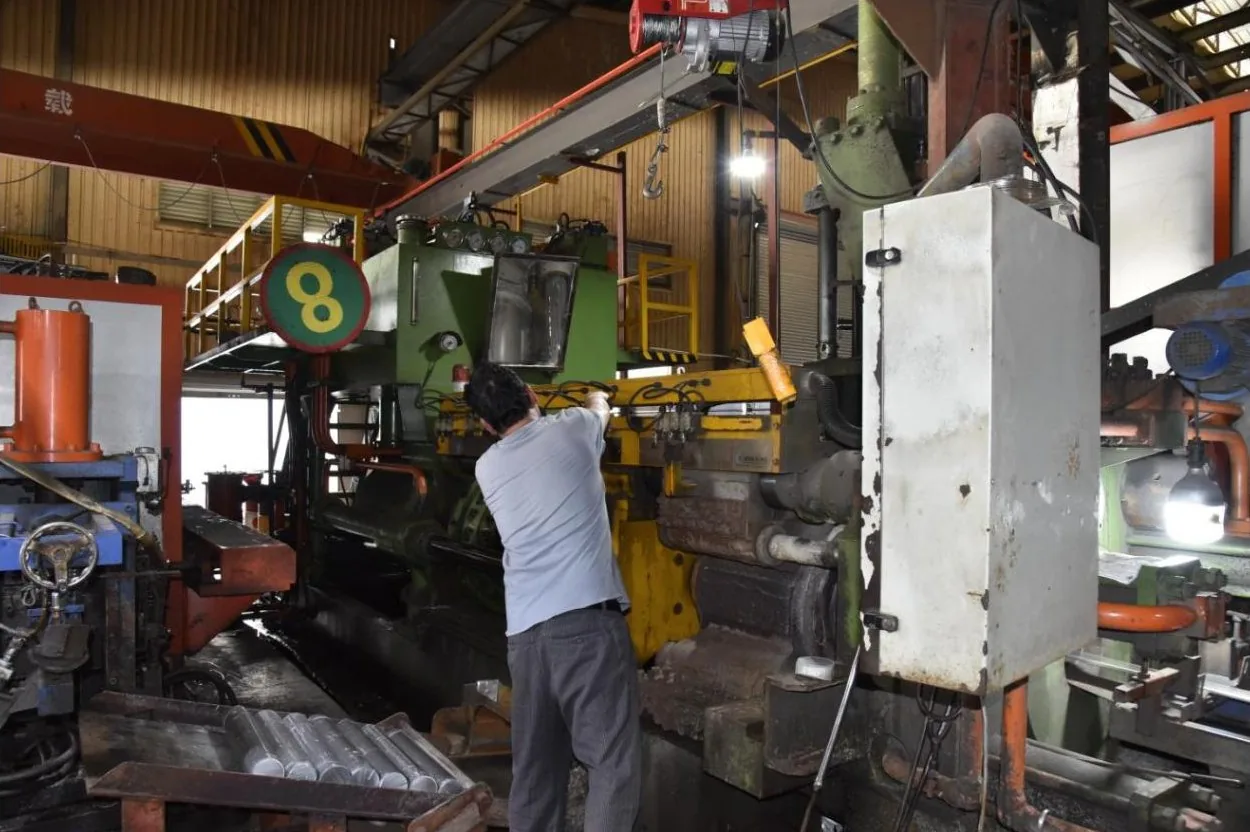
An aluminum profile begins with a design and a shaped tool called a die. During extrusion, a press forces heated, solid aluminum through the die opening. The emerging length takes the cross-sectional shape of that opening. Subsequent cooling, treatment and finishing depend on the alloy and product specification.
This process allows manufacturers to produce much more than simple bars. A profile can incorporate hollow chambers, screw channels, gasket grooves and other features that help it connect with adjacent components. The Aluminum Extruders Council explains this process in its extrusion overview: [1]
What the shape actually does
Two profiles may look similar from the outside yet serve different purposes. One section might form the fixed perimeter of a window. Another might hold the glass in an opening sash. A third might provide the track for a sliding panel.
From the section to its function
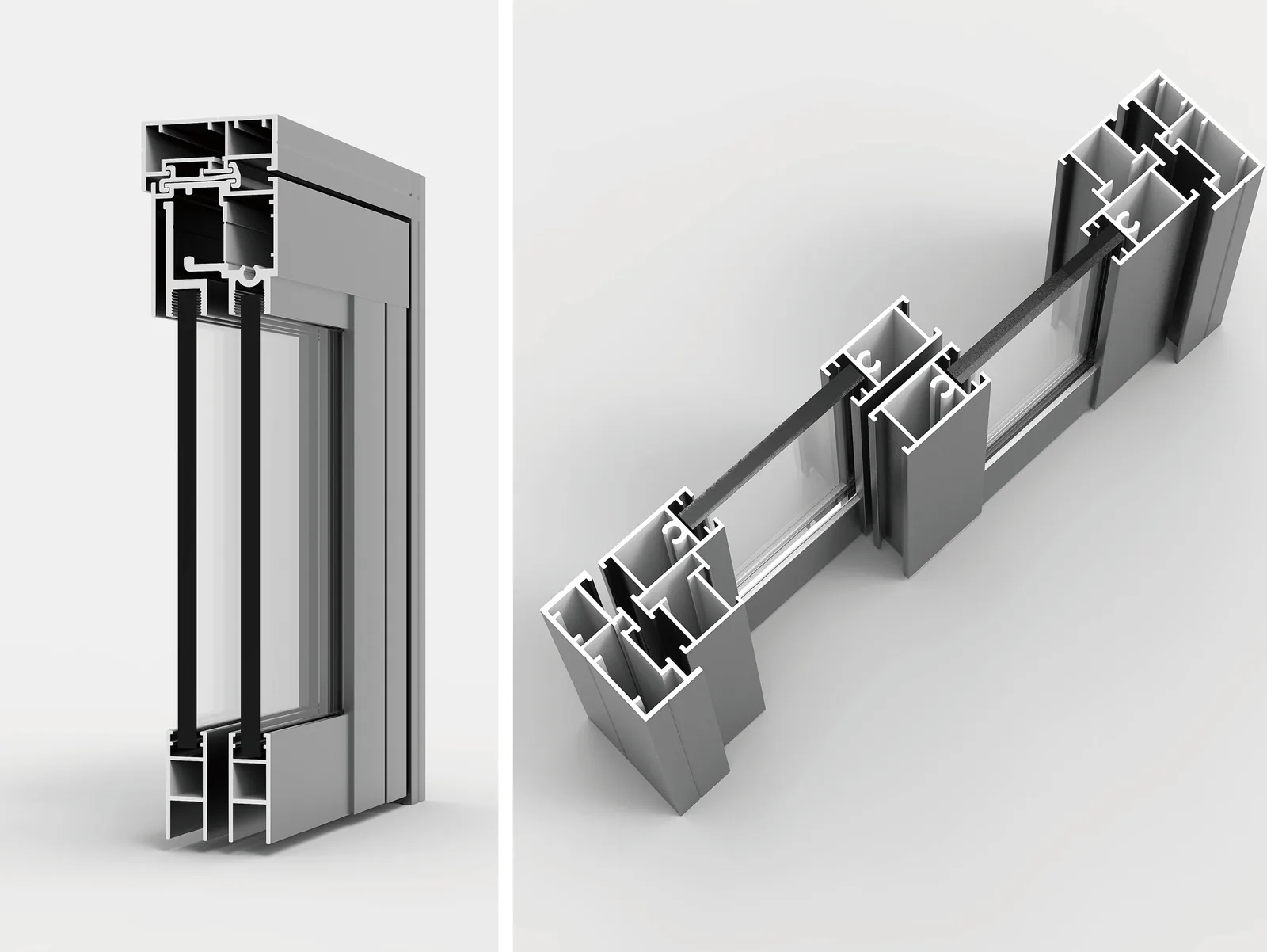
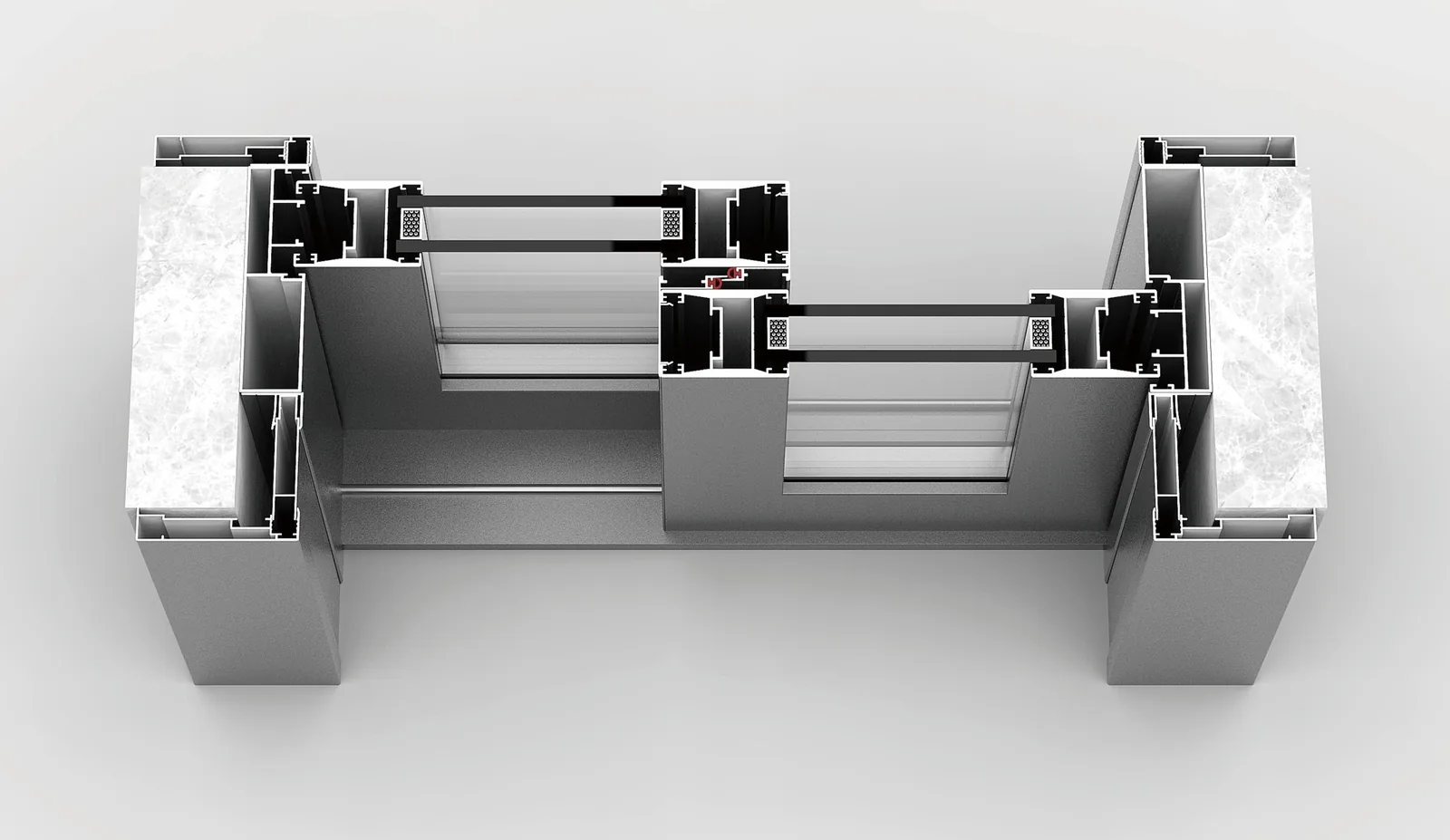
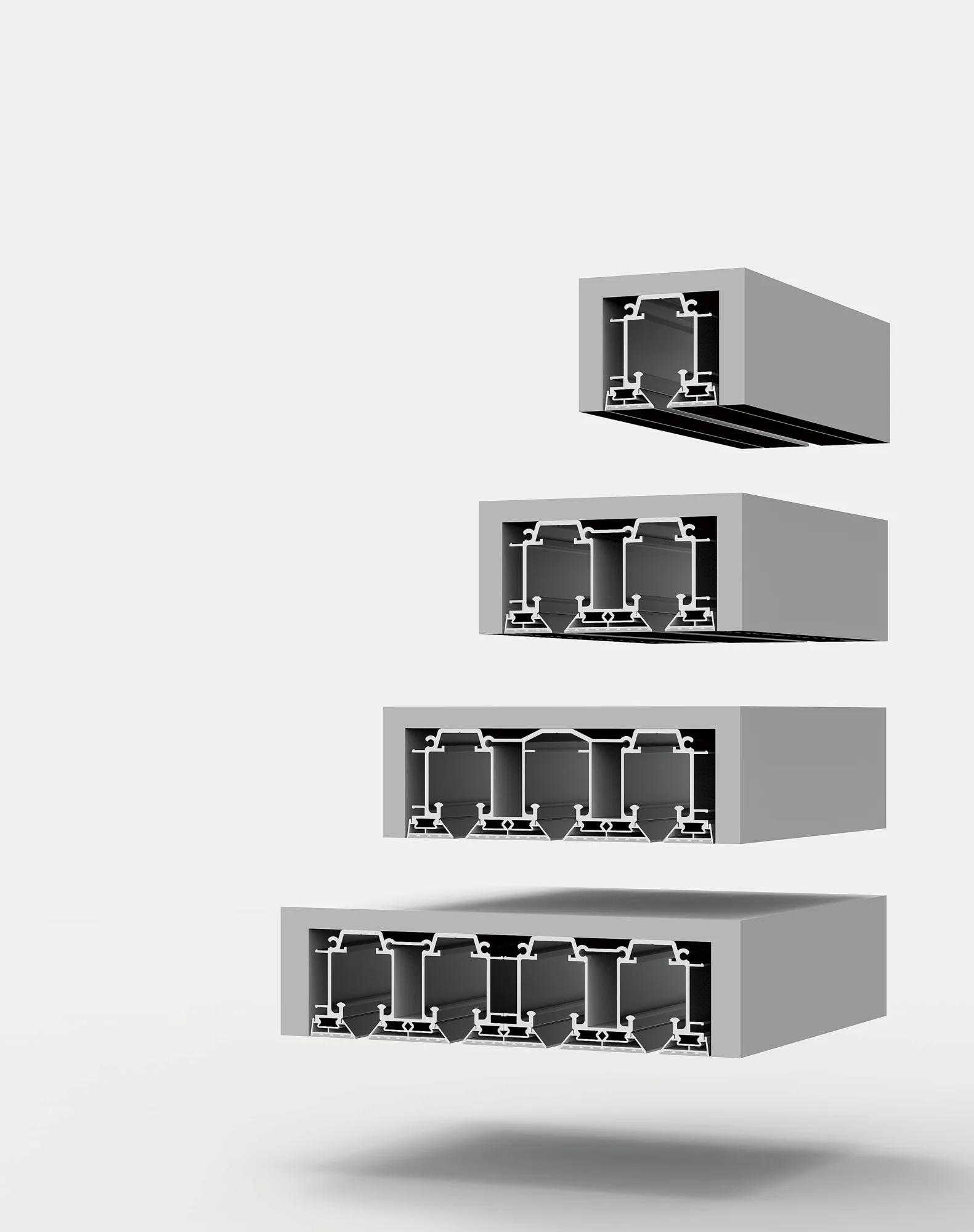
Their differences become clearer in a cross-sectional drawing. A narrow groove may hold a weather seal. A recess may accommodate a glazing bead. A chamber may contribute to the section’s structural behavior or provide space for a connection. These details explain why a profile cannot be selected only by color or visible width.
In MTFlying’s window profile catalog, individual sections are shown alongside assembly drawings and accessories. For buyers, that relationship is useful: it helps connect each part number to its role in the finished system.
Profile dimensions and wall thickness are different
A profile’s overall depth describes the size of the section in a particular direction. Wall thickness describes the thickness of its aluminum walls. The two measurements answer different questions, and neither alone establishes the performance of a finished window.
For example, a wider section may accommodate a different arrangement of tracks or glazing. Whether it is suitable for a particular opening also depends on its geometry, alloy, connections, panel size and loading. A series name is therefore a starting point for discussion, rather than a complete technical specification.
What to include in a profile inquiry
A useful inquiry starts with the intended application and a drawing or existing part reference. If you already know the required alloy, temper, dimensions, tolerances and finish, include those details. Also identify the order quantity, preferred supply length and destination market.
Specify shape, finish and supply
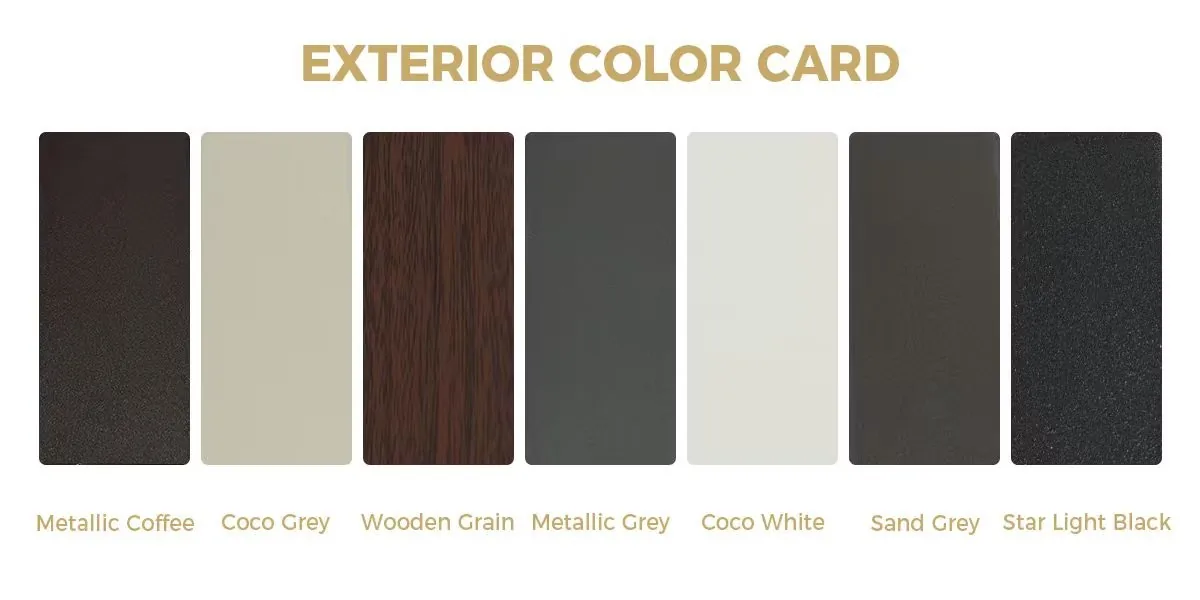
For window production, explain whether you need a single replacement section or a complete family of compatible profiles. Ask which matching gaskets, connectors, glazing beads and hardware are required. A lower price for an isolated section can become less attractive if essential matching parts are difficult to source.
Samples are especially useful when comparing surface appearance and assembly fit. Agree on the approved specification before placing a production order, and use the sample together with the technical drawing rather than treating either as a substitute for the other.
Why consider MTFlying for aluminum profiles?
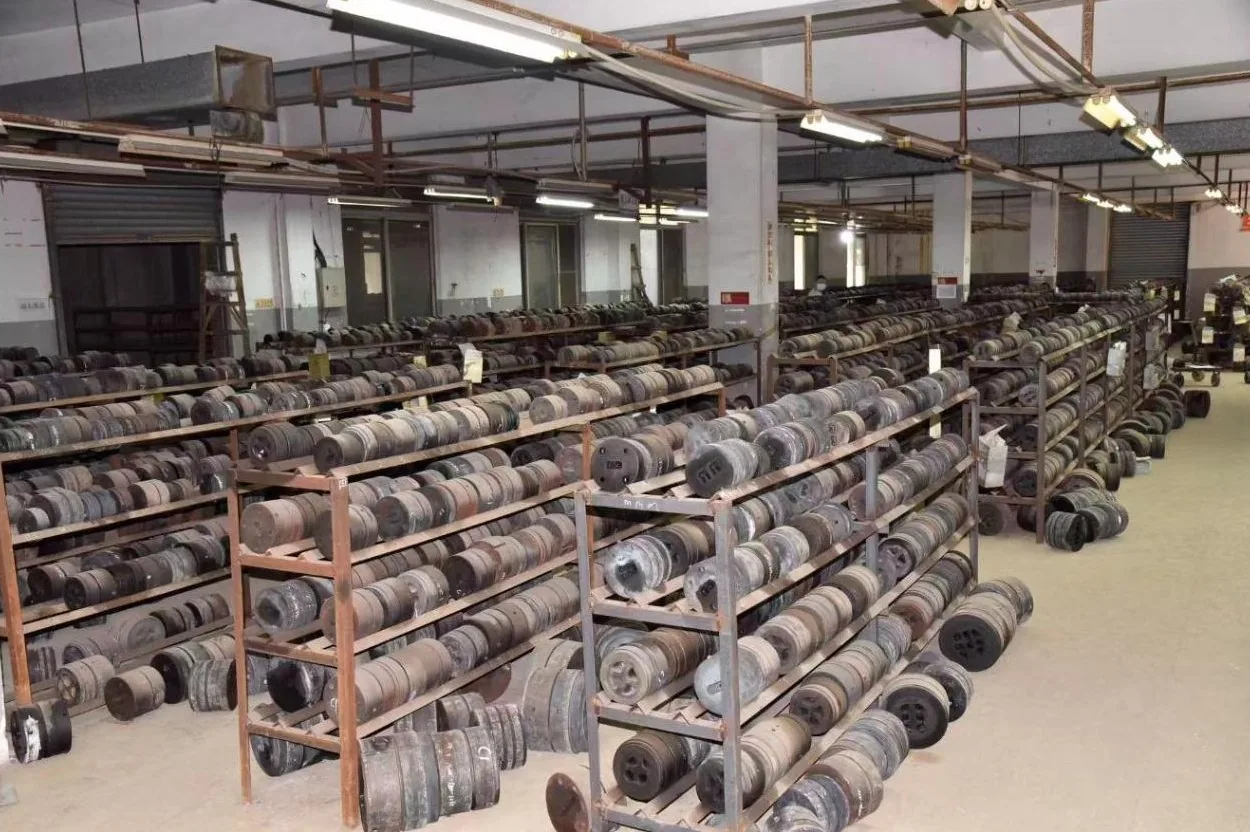
MTFlying is an aluminum extrusion manufacturer based in Foshan, Guangdong, established in 2010. Its company profile describes an in-house die library and custom die development from approved drawings. Buyers can discuss powder-coated, anodized or wood-grain finishes, together with cut lengths, drilling and punching requirements. This connects the profile design with the work your production line needs to perform.
MTFlying combines aluminum profiles with matching accessories, assembly information and technical support. For fabricators and importers, this offers a way to coordinate material, finish and downstream processing through one supply discussion.
If you are starting a new product range or reviewing an existing design, send MTFlying your section drawing, application, quantity and finish requirements. Ask for the matching profile options and an itemized supply proposal so you can compare the complete package.
Profile geometry in detail
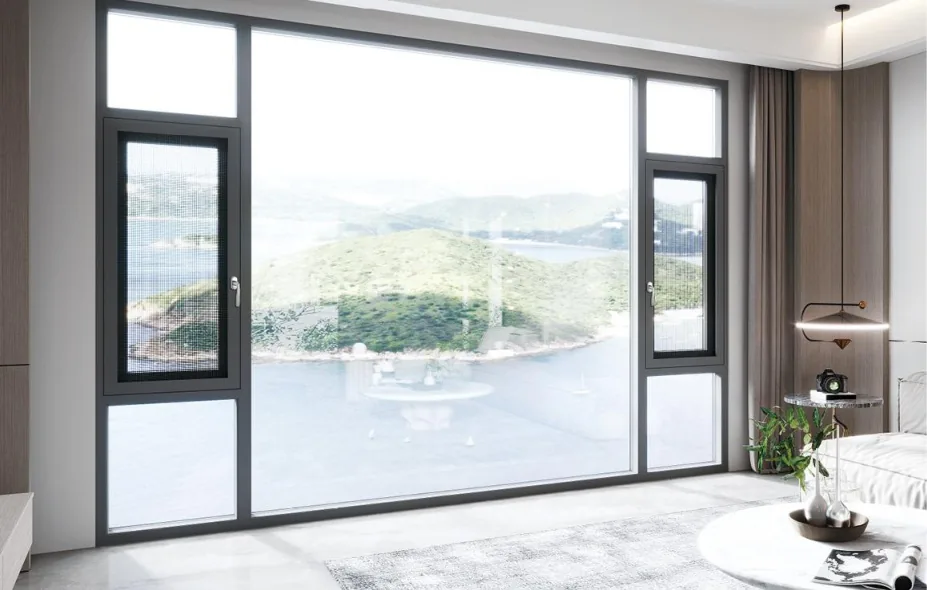
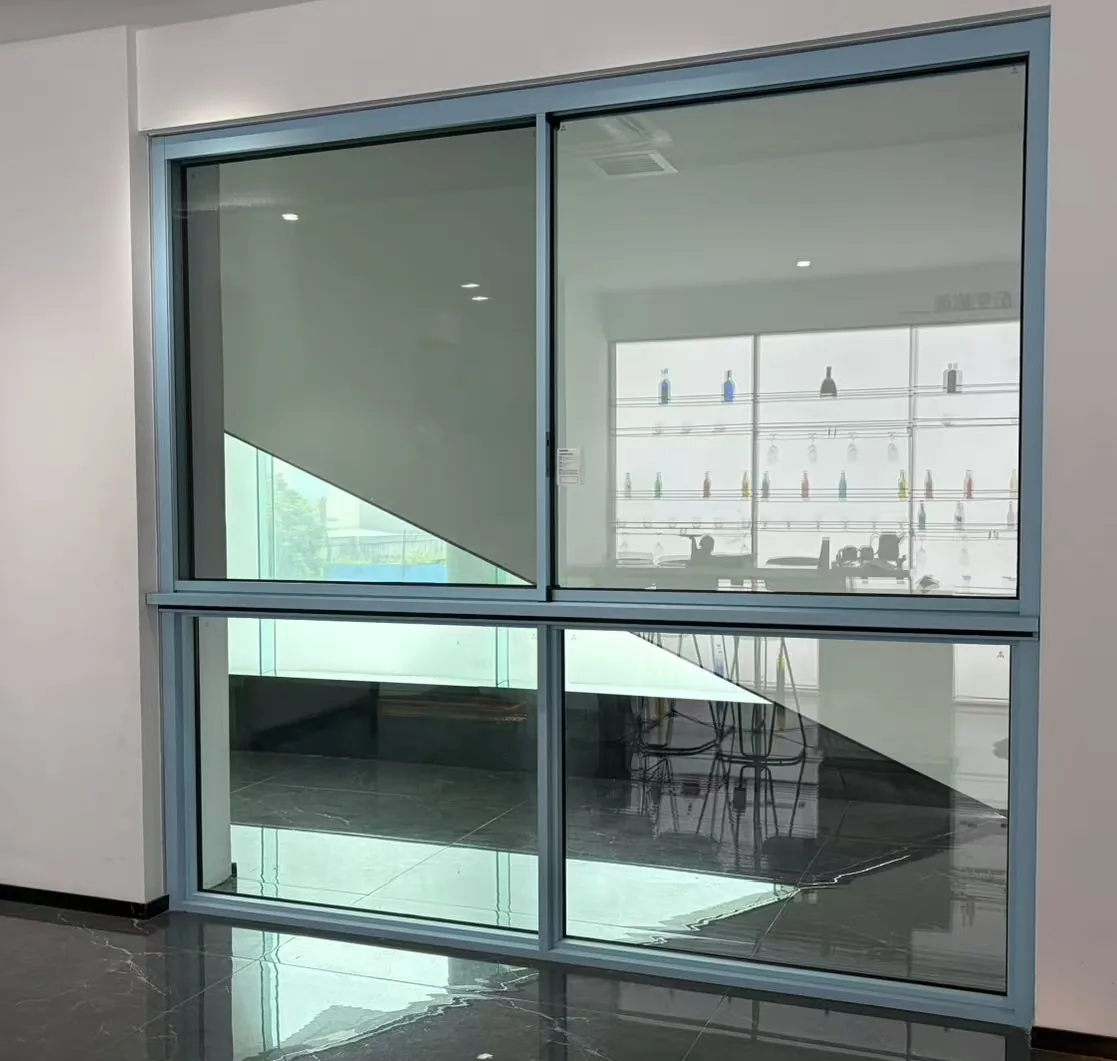
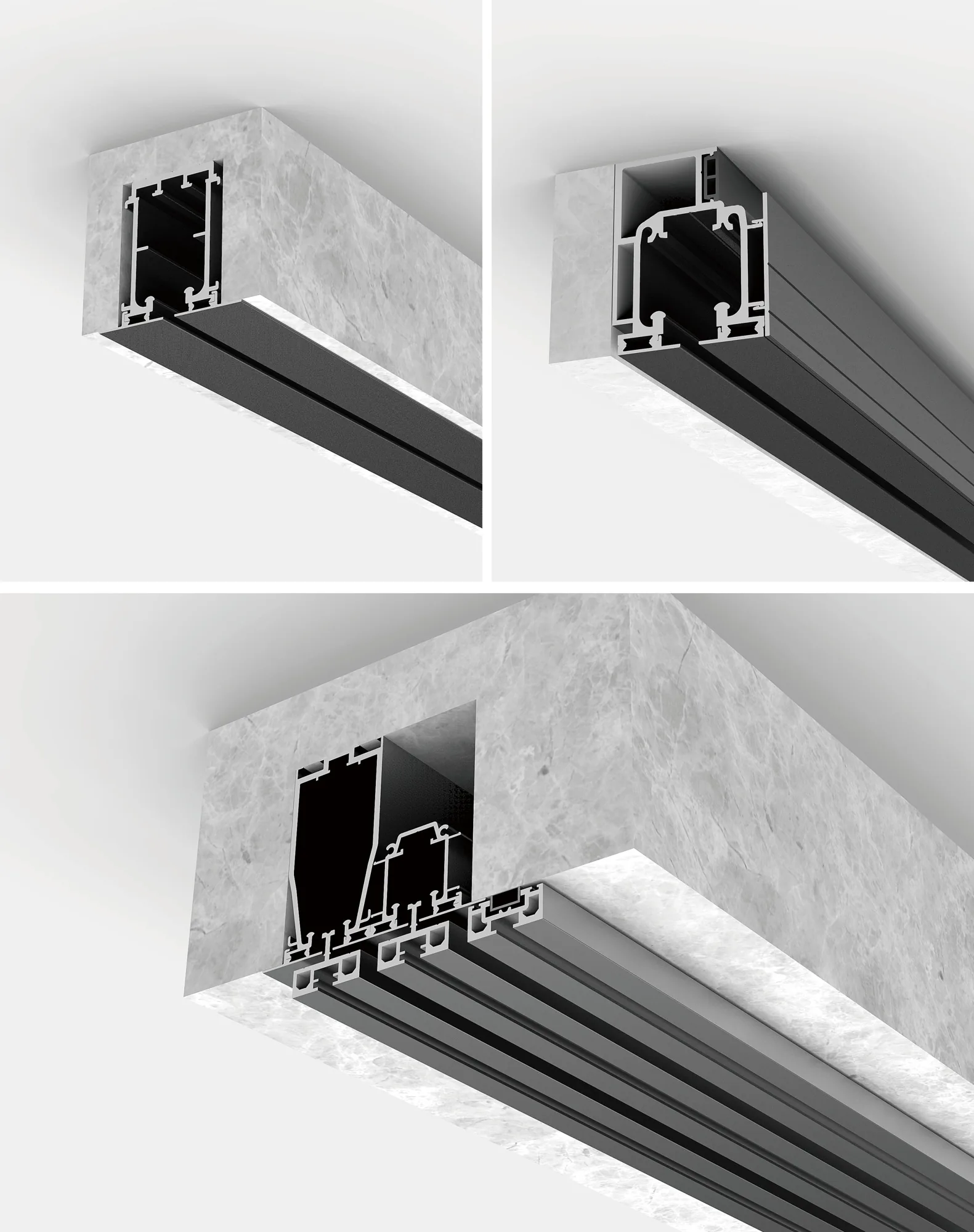
A profile section reveals features that a finished-window photograph cannot show: cavities, grooves, track arrangements and connection interfaces. Use these views to identify which component performs each role, then match it to the approved section drawing. The examples below illustrate different assemblies; they are not interchangeable parts.
From material to coordinated supply
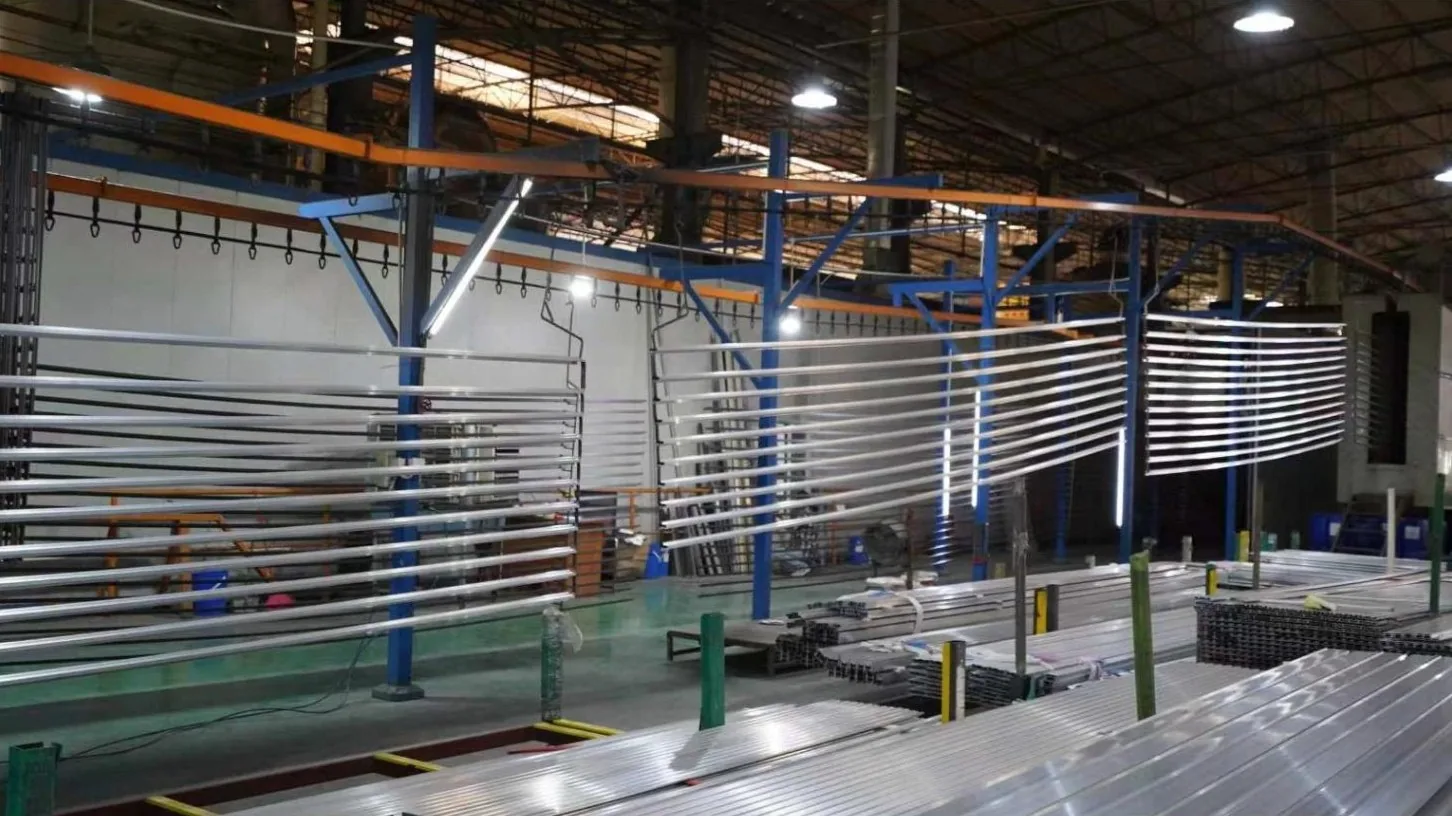
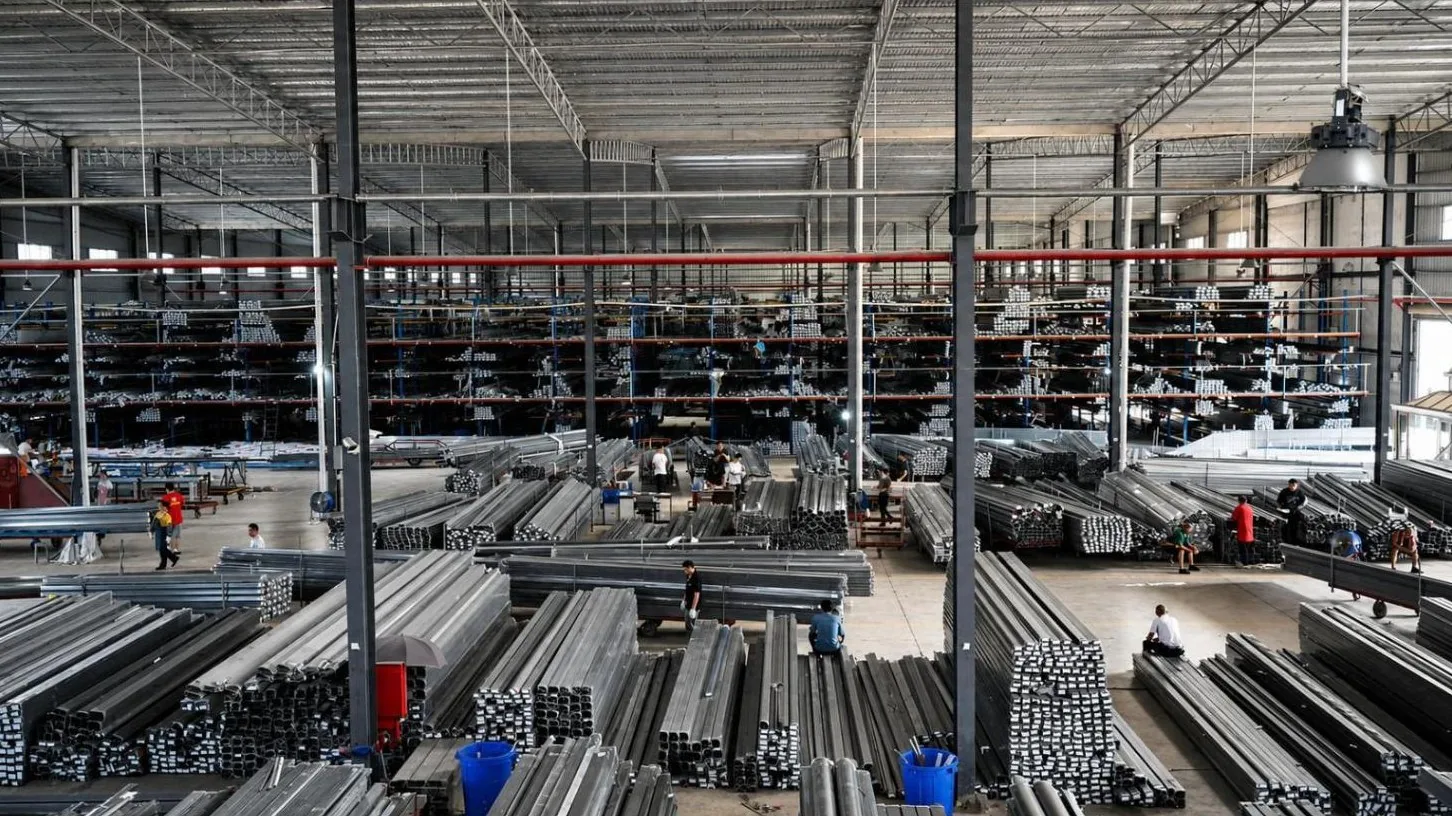
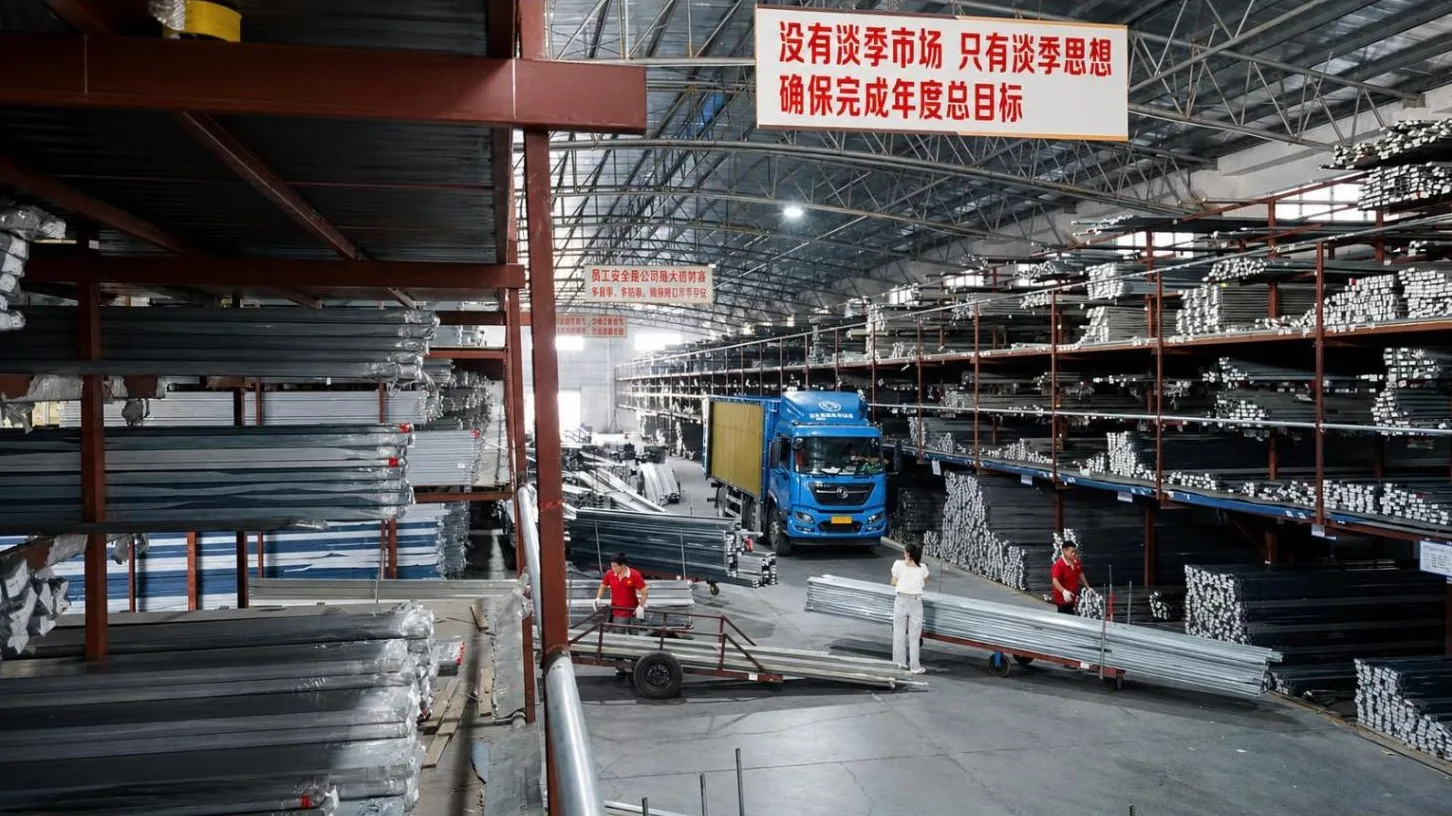
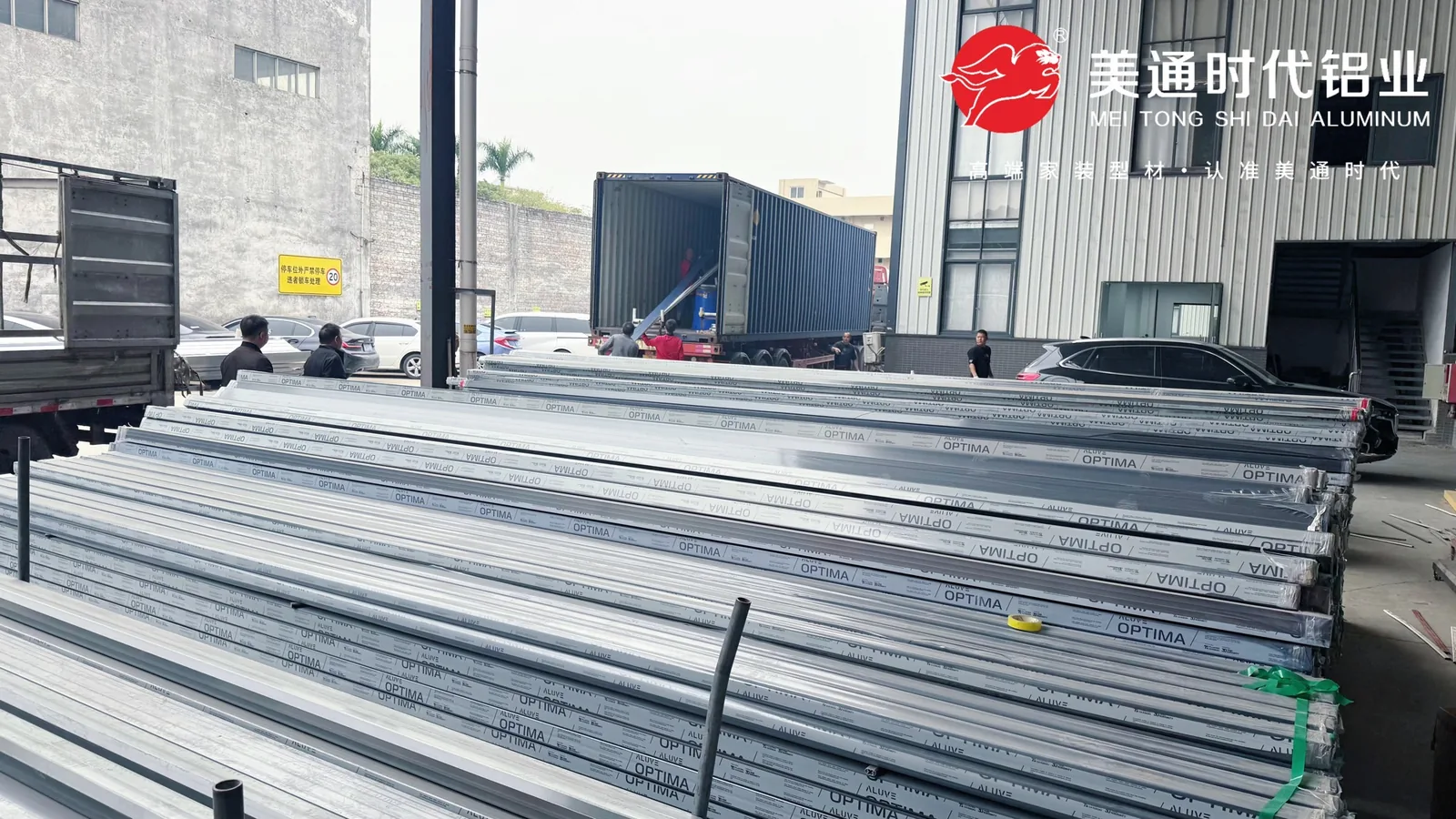
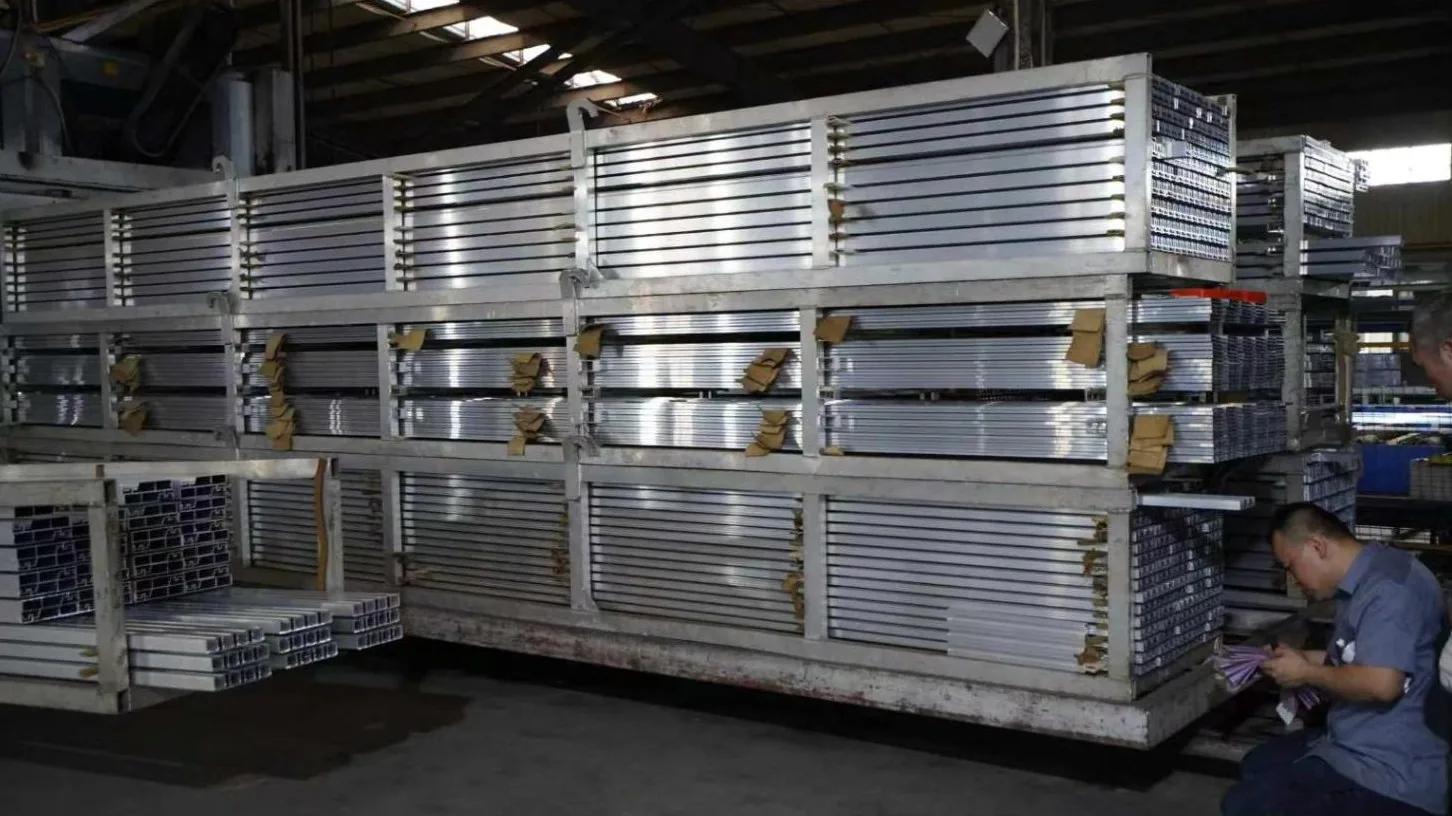
MTFlying combines extrusion with storage, finishing and order preparation. Its company profile describes profile-only supply as well as coordinated component packages. For your order, confirm section references, finish, quantities, protective packaging and labels before dispatch. These photographs show the material-handling side of that process.
Discuss your next project with MTFlying
www.mtflying.com
michael@mtflying.com +86 153 0285 6248
Ma’angang Industrial Zone, Shishan Town, Nanhai District, Foshan City, Guangdong Province, China 528000
Send the window schedule, drawings, quantity, destination, finish and glass requirements. Ask for an itemized proposal covering profiles, matching components, fabrication scope and the available performance documentation.